Neuroscience Research

HUMAN NEURO-STORAGE

A Contribution to Biological Memory and Learning

An investigation into growing and stimulating neural cell cultures to explore long-term, energy-efficient biological data storage.

Complete🧠 Biological LearningElectrophysiology

Overview

Human Neuro-Storage investigates whether cultured neurons can be guided into repeatable firing patterns that could one day encode information more efficiently than conventional hardware.

The project was carried out with access to facilities at University College Cork (UCC) and focused on electrophysiology, stimulation testing, and signal analysis.

The core idea is to establish measurable and persistent neural state changes. If neural activity can be read, stimulated, and retained over time, those changing patterns may form a foundation for future biological memory interfaces.
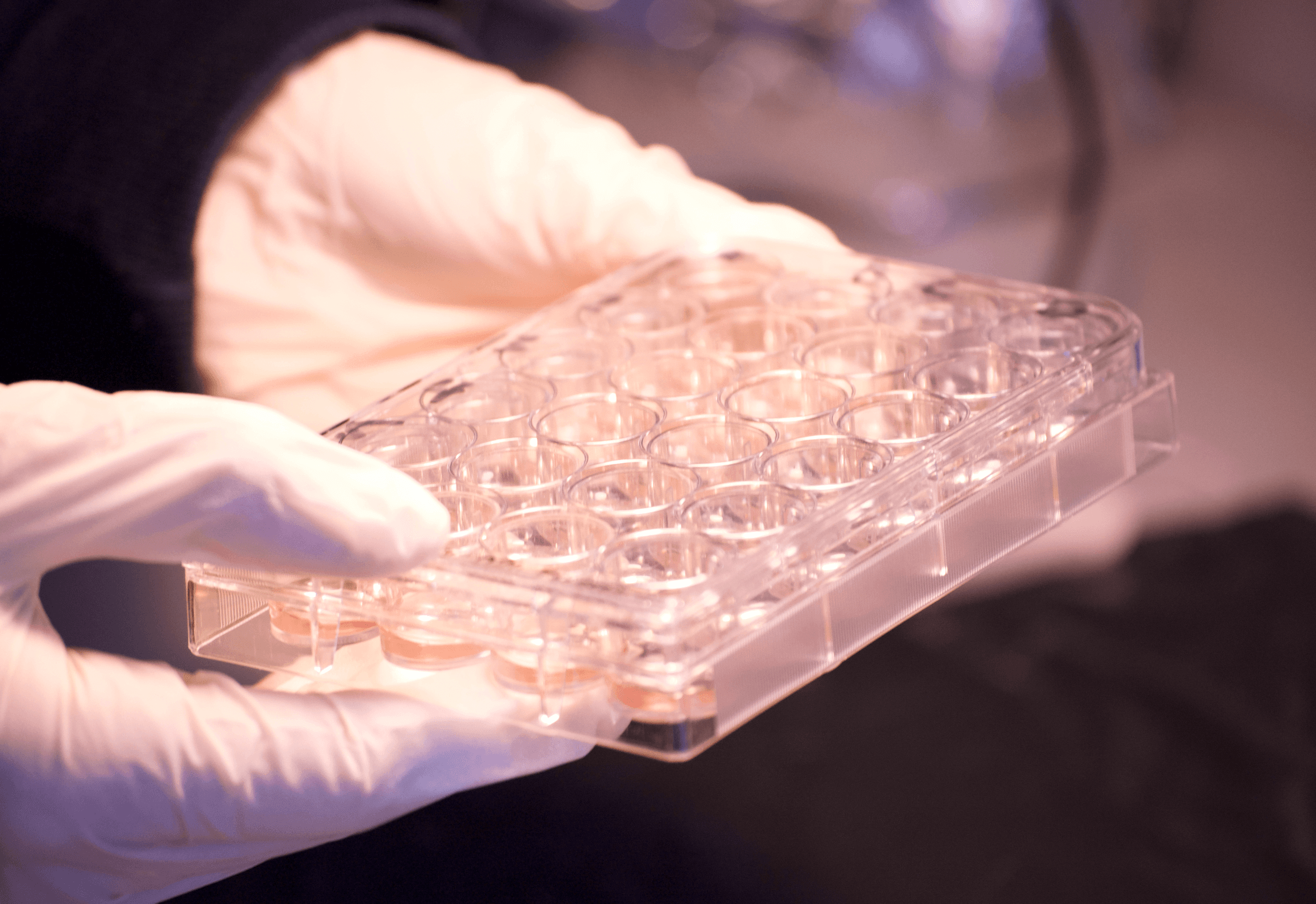
Petri dish cultures
Fig. 1 — Culture preparation and maintenance before stimulation and recording.
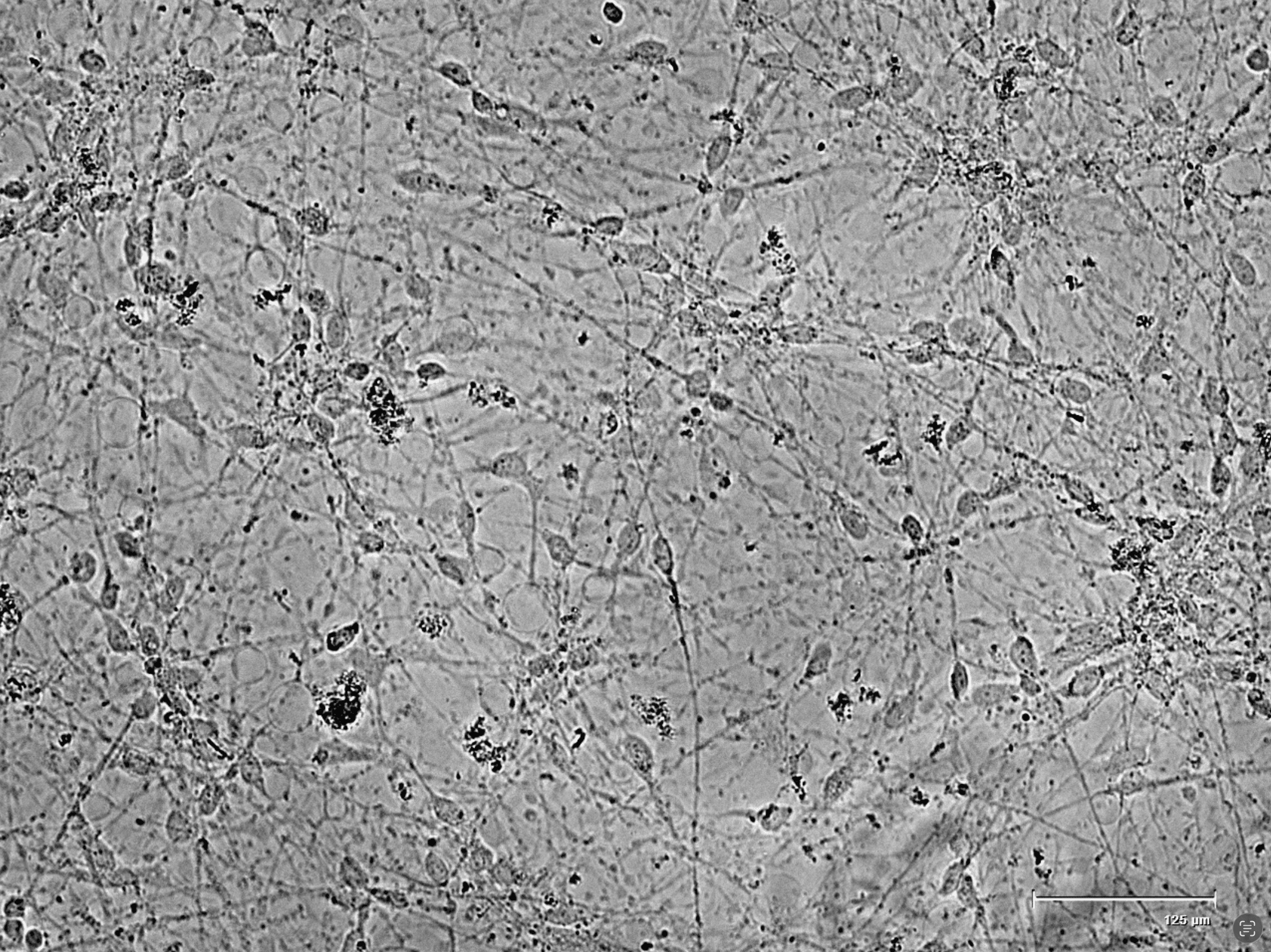
Neurons under a microscope
Fig. 2 — Microscopy view used to compare culture density and viability.

Why It Matters

Traditional data centers consume large amounts of electricity and cooling resources. Neural systems, by contrast, are compact and highly efficient for the amount of information they can process and retain.

This work is nothing close to a finished storage product. It aims to show a technical foundation: neurons can be externally stimulated, can respond in measurable ways, and can retain altered firing behavior for meaningful periods.
Methodology

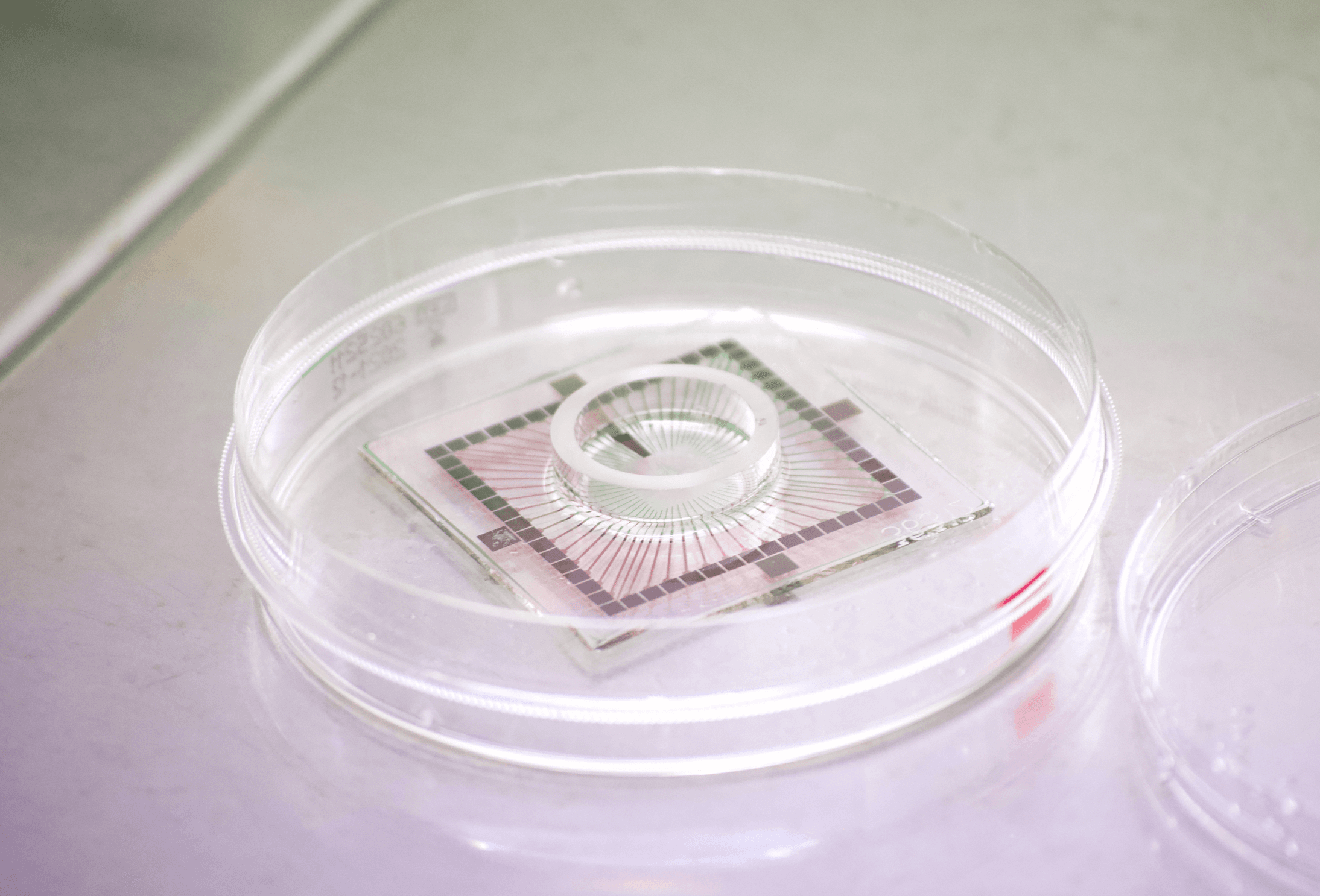
Micro-electrode Array
Fig. 3 — The MEA platform used to detect electrical behavior across neural samples.
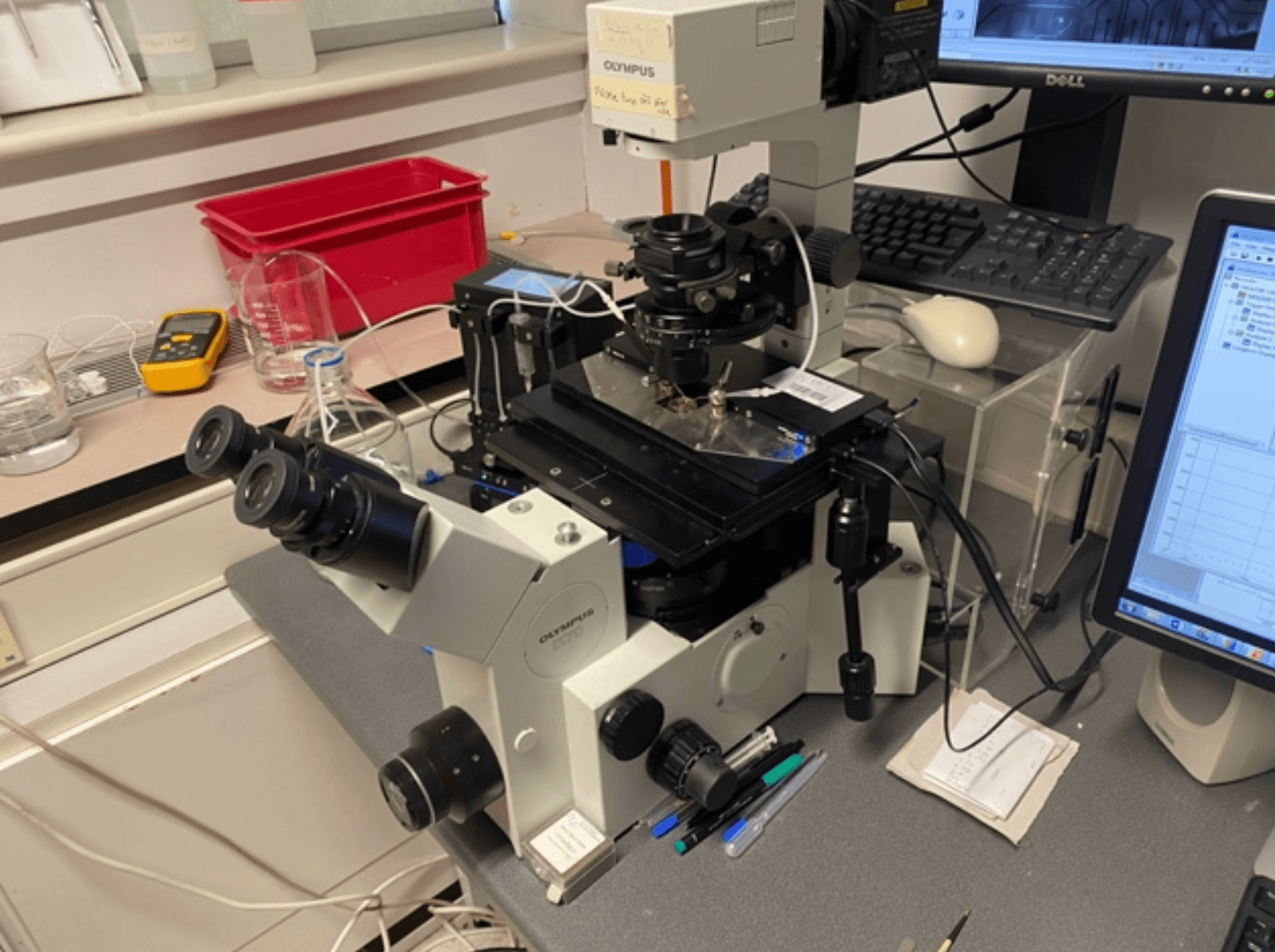
MEA in action
Fig. 4 — Recording neural activity during live experiment runs.

Experimental Setup

Cell Culture

  • • Compared SH-SY5Y and ReNcell cultures
  • • Recorded activity using Neuron Spiker Box Pro
  • • Captured baseline vs post-intervention activity

Stimulation

  • • Applied 1 Hz sine stimulation in timed cycles
  • • Measured magnitude, persistence, variability
  • • Converted waveform data to CSV for trends

Key Findings

  • SH-SY5Y cultures produced clearer signals, with average action potential amplitude about 170% higher than ReNcell.
  • Stimulation increased activity by over 350% during intervention windows.
  • Post-stimulation activity remained elevated by about 255%, consistent with persistent adaptation behavior (LTP-like response).
  • Culture performance degraded with reduced temperature, with action potential interval increasing by a factor of 12.8 over 44 minutes.
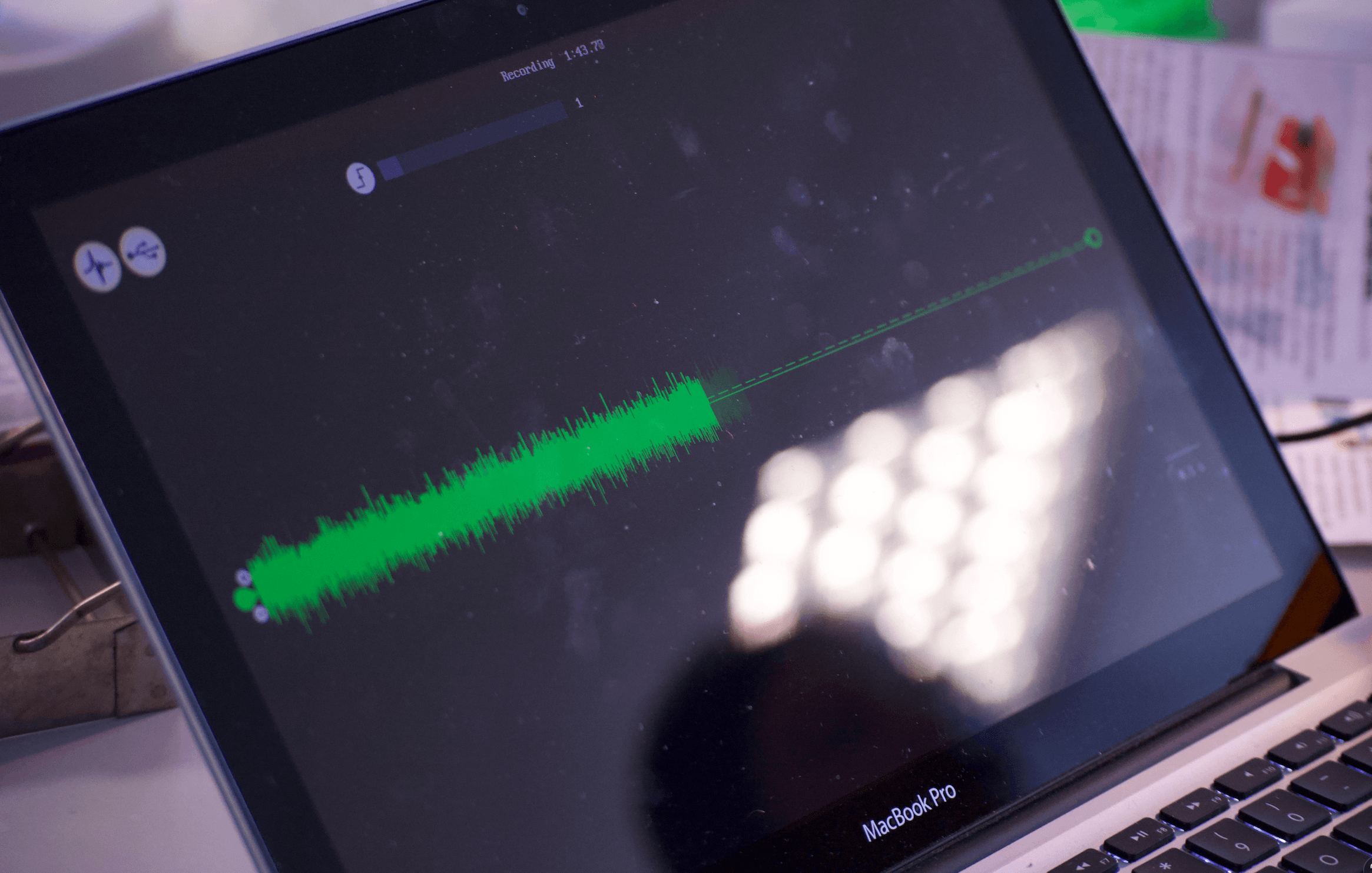
Live neural signal
Fig. 5 — Real-time neural activity stream observed during recording sessions.
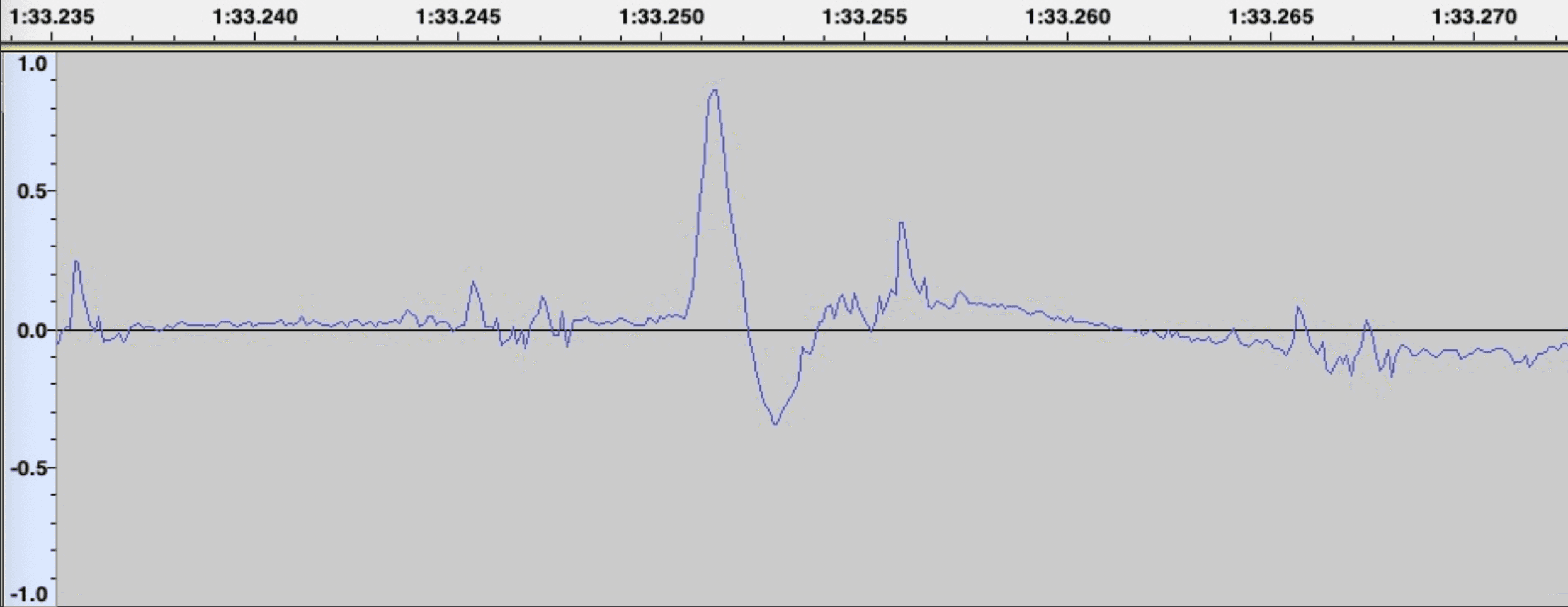
Action potential record
Fig. 6 — Captured waveform traces used for count and persistence analysis.

Project Ledger

Core Contributions

  • Demonstrated measurable stimulation-response in cultured neural cells
  • Documented persistent post-stimulation activity increase
  • Built a repeatable data-analysis pipeline for waveform recordings

Notable Achievements

  • 1st Place Group Intermediate Award, Biological and Ecological Section, BT Young Scientist 2023
  • National Finalists at ECO-UNESCO's Young Environmentalist Awards
  • Showcased to the team of IBM Europe researchers

Ethics & Future Work

  • The project highlights ethical boundaries around scaling biological systems for computation
  • Improve culture stability and repeatability across larger sample sizes
  • Refine stimulation precision for higher information-density encoding